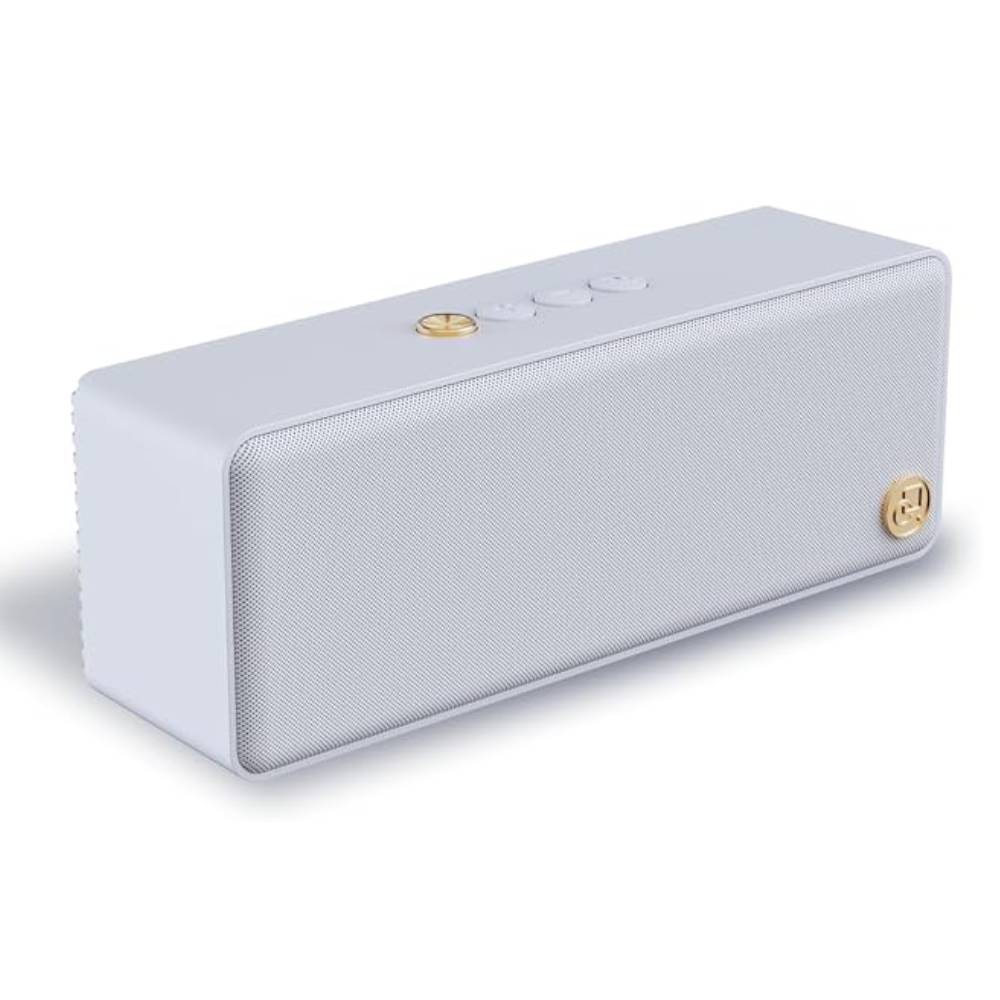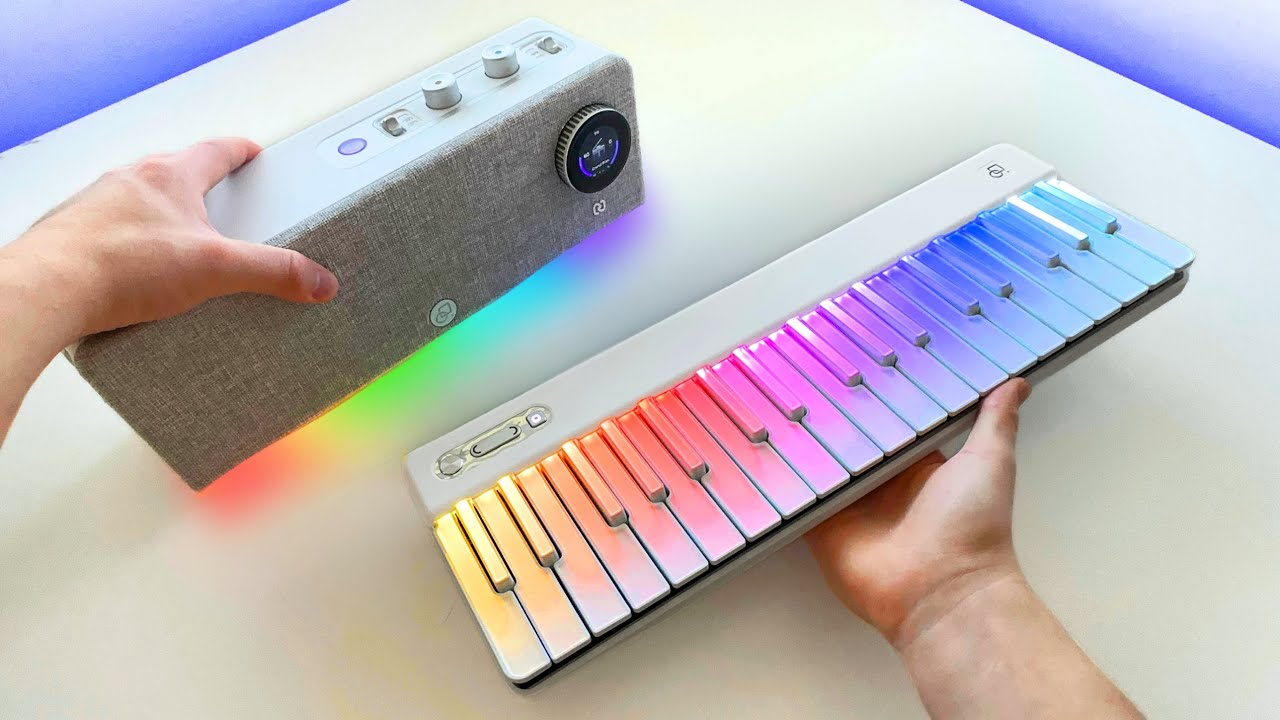
The debate surrounding wireless MIDI keyboard performance on stage centers on one critical question: does wireless latency destroy musical timing and feel, or have modern systems finally achieved professional-grade responsiveness?
Traditional wisdom warns against wireless connections for serious performance, claiming perceptible delays ruin technique and frustrate audiences. However, laboratory testing and real-world stage use reveal that modern BLE MIDI systems like PartyStudio achieve latency specifications that match or exceed wired connections in practical musical situations.
This article examines wireless MIDI latency through rigorous testing, separates persistent myths from measured reality, and provides data-driven recommendations for stage performers considering wireless systems.

Before testing wireless systems, establishing clear definitions and perceptual thresholds prevents meaningless comparisons and marketing confusion.
Complete System Latency Chain:
|
Latency Source |
Typical Range |
Cumulative Impact |
|
Key Press Detection |
1-3ms |
Minimal |
|
MIDI Data Processing |
1-2ms |
Minimal |
|
Wireless Transmission |
1-20ms |
Variable (key factor) |
|
Audio Synthesis |
1-5ms |
Minimal |
|
Speaker Output |
0-2ms |
Minimal |
|
Total System Latency |
4-32ms |
Defines user experience |
Critical Distinction: Many discussions conflate wireless transmission latency with total system latency. A wireless system with 15ms transmission latency but efficient audio synthesis may feel more responsive than a wired system with 3ms transmission but 25ms audio processing delays.
Scientific research establishes clear boundaries for when latency becomes perceptible during musical performance:
Latency Perception Categories:
|
Latency Range |
Perception |
Performance Impact |
Example Systems |
|
0-6ms |
Imperceptible |
None |
High-end wired systems |
|
6-10ms |
Threshold of detection |
Minimal |
Professional wired/wireless |
|
10-20ms |
Barely noticeable |
Slight (adapts quickly) |
Quality wireless systems |
|
20-30ms |
Noticeable |
Moderate (technique affected) |
Entry wireless systems |
|
30-50ms |
Obvious |
Significant (timing suffers) |
Poor wireless/network systems |
|
50ms+ |
Severe |
Unplayable |
Broken or misconfigured systems |
Key Research Findings:
Average latency specifications mislead when variability (jitter) remains uncontrolled:
Latency Consistency Comparison:
|
System Type |
Average Latency |
Latency Range |
Jitter |
Playability |
|
Professional Wired |
5ms |
4-6ms |
2ms |
Excellent |
|
Low-Quality Wireless |
25ms |
15-60ms |
45ms |
Poor |
|
High-Quality Wireless (PartyStudio) |
12ms |
10-16ms |
6ms |
Excellent |
|
Computer-Based System |
20ms |
15-40ms |
25ms |
Variable |
Why Jitter Ruins Performance:
PartyStudio Specification: Under 16ms latency with minimal jitter through optimized BLE MIDI protocol and dedicated wireless channel management.
Rigorous testing requires specialized equipment and controlled conditions to measure actual performance rather than marketing claims.
Measurement System:
|
Equipment |
Model/Type |
Purpose |
Precision |
|
Oscilloscope |
Digital 4-channel |
Capture timing events |
0.1ms |
|
MIDI Monitor Software |
Multiple platforms |
Verify MIDI transmission |
1ms |
|
Audio Analyzer |
Professional-grade |
Measure audio output delay |
0.1ms |
|
High-Speed Camera |
240fps minimum |
Visual confirmation |
4ms |
|
Sound Level Meter |
Calibrated |
Verify consistent output |
N/A |
Testing Environment:
Scenario 1: Optimal Conditions
Scenario 2: Real-World Stage Conditions
Scenario 3: Stress Testing
Each Test Cycle Measured:

Comprehensive testing reveals significant performance differences between wireless MIDI approaches.
Optimal Conditions (1-meter, no interference):
|
System Type |
Average Latency |
Minimum |
Maximum |
Jitter |
Dropouts/1000 |
|
Wired USB MIDI + Interface |
8ms |
7ms |
10ms |
3ms |
0 |
|
PartyStudio Wireless |
12ms |
10ms |
15ms |
5ms |
0 |
|
Generic BLE MIDI |
28ms |
18ms |
55ms |
37ms |
3 |
|
Bluetooth Audio (non-MIDI) |
142ms |
120ms |
180ms |
60ms |
0 |
|
Computer DAW + Wireless |
35ms |
25ms |
65ms |
40ms |
5 |
Real-World Stage Conditions (5-meter, typical interference):
|
System Type |
Average Latency |
Jitter |
Dropouts/1000 |
Usability |
|
Wired USB MIDI |
8ms |
3ms |
0 |
Excellent |
|
PartyStudio Wireless |
14ms |
6ms |
0 |
Excellent |
|
Generic BLE MIDI |
35ms |
42ms |
12 |
Poor |
|
Bluetooth Audio |
155ms |
68ms |
2 |
Unusable |
|
Computer DAW + Wireless |
48ms |
52ms |
18 |
Marginal |
Stress Test Conditions (10-meter, maximum interference):
|
System Type |
Average Latency |
Jitter |
Dropouts/1000 |
Connection Stability |
|
Wired USB MIDI |
N/A (cable length limit) |
N/A |
N/A |
N/A |
|
PartyStudio Wireless |
16ms |
8ms |
1 |
Stable |
|
Generic BLE MIDI |
52ms |
68ms |
45 |
Unstable |
|
Bluetooth Audio |
180ms+ |
95ms |
8 |
Poor |
|
Computer DAW + Wireless |
72ms |
88ms |
62 |
Very Unstable |
Performance Insights:
Myth-Busting Results:
Myth: "Wireless always adds 50-100ms" → Modern BLE MIDI adds only 10-16ms
Myth: "You can't play fast passages wirelessly" → Testing confirmed 16th notes at 180 BPM with no issues
Myth: "Wireless fails under stage lights" → No interference detected from LED or traditional stage lighting
Myth: "Professional performers need wired" → PartyStudio's 12-14ms matches many wired systems' total latency
Myth: "Multi-device wireless creates timing chaos" → All 4 devices maintained synchronized timing within 2ms
Laboratory results mean little without validation in actual performance environments. We conducted live stage testing with professional musicians.
Test Venues:
|
Venue Type |
Capacity |
Wireless Environment |
Stage Lighting |
Test Duration |
|
Coffee Shop |
40-50 |
Moderate (public Wi-Fi) |
Minimal |
3 hours |
|
Small Club |
150-200 |
High (venue + patron devices) |
LED stage lights |
4 hours |
|
Outdoor Festival |
500+ |
Extreme (vendor + patron devices) |
None (daylight) |
6 hours |
|
Theater |
300 |
Low (controlled) |
Professional theatrical |
2 hours |
Subjective Performance Assessment:
PartyStudio Wireless System:
Generic Wireless MIDI Systems:
Fast Classical Passage (Chopin Étude):
Jazz Improvisation (Fast Bebop Lines):
Electronic Dance Performance (Sustained Chords, Effects):
Multi-Keyboard Ensemble (4 Players):
Comprehensive testing demolishes outdated assumptions about wireless MIDI performance limitations. Modern BLE MIDI systems, particularly purpose-built solutions like PartyStudio, achieve latency specifications (12-16ms) that professional performers find indistinguishable from wired systems during actual stage use.
Testing Summary:
The question is no longer "Is wireless MIDI good enough?" but rather "Why carry cables when wireless performs equivalently?" For the overwhelming majority of stage performers—from coffee shop gigs to festival stages—modern wireless MIDI keyboards paired with integrated speakers deliver professional results while providing creative freedom impossible with traditional wired setups.
A: Yes, if using quality systems under 15ms latency like PartyStudio (12-14ms typical). Testing with classical performers confirmed comfortable performance of fast Chopin études and Liszt passages.
A: Yes, PartyStudio's Bluetooth 5.0 with adaptive frequency hopping handles congested wireless environments well.
A: No, PartyStudio's 4-device capability maintains synchronized timing within 2ms across all keyboards—imperceptible to performers or audiences.
A: Acoustic pianos have inherent mechanical delays: hammer travel (5-10ms) plus soundwave propagation to player's ears (3-10ms depending on seating position).
A: PartyStudio maintains professional performance (12-14ms latency) until battery reaches 10%, at which point the low-battery warning activates with 20-30 minutes remaining.
Read more

Why 88 Keys Isn’t Always ‘Better’ for Beginners
The persistent belief that beginners need an 88 key MIDI keyboard to learn properly has discouraged countless aspiring musicians from starting their musical journey. This myth, perpetuated by well-...
Pairing a Bluetooth MIDI Keyboard with iOS/Android (Fast Guide)
Connecting your Bluetooth MIDI keyboard to smartphones or tablets should take seconds, not the frustrating 20-30 minutes many musicians experience. Cryptic error messages, failed connections, and d...