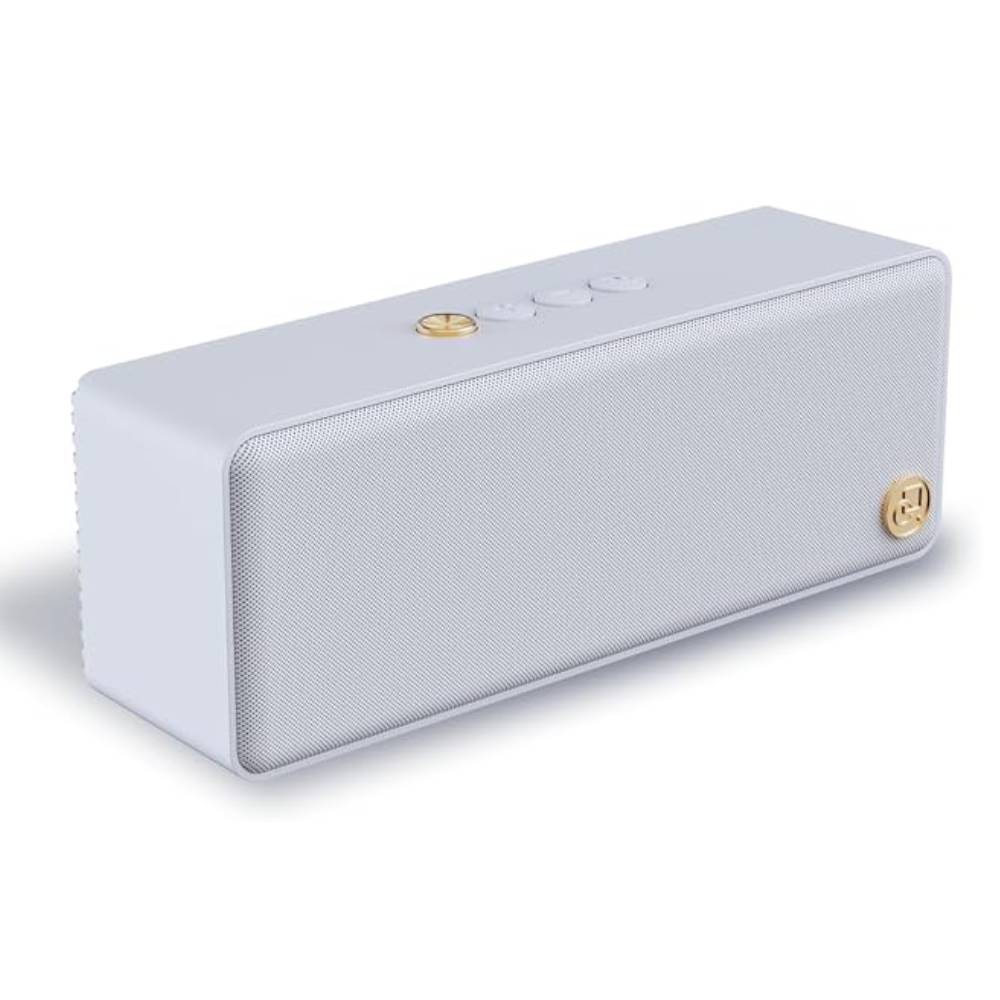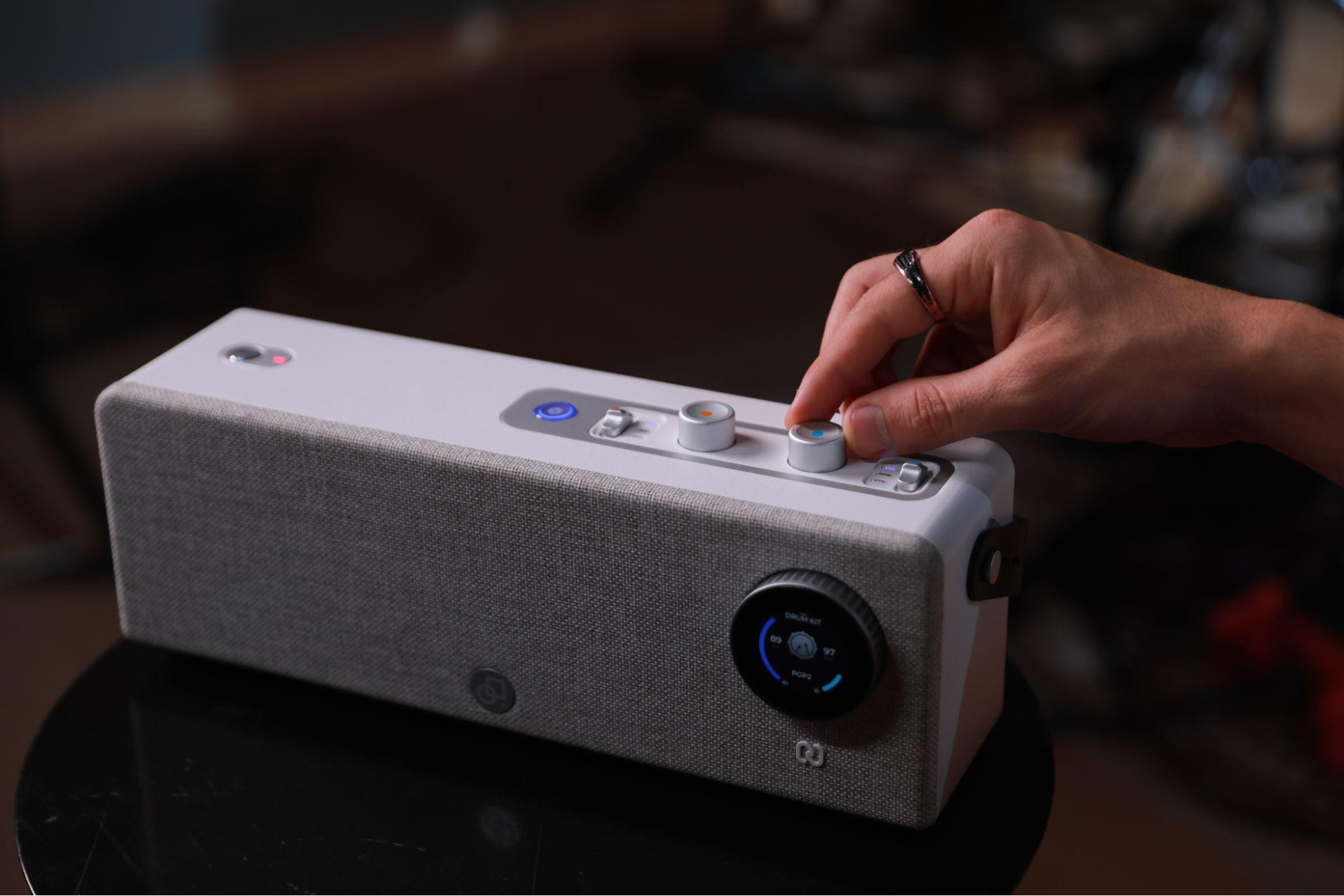
When choosing a keyboard practice speaker, one specification stands out: power output measured in watts. But what does "70W" actually mean for your practice sessions? How loud is loud enough? And more importantly, what volume level protects your hearing while still delivering satisfying, musical sound?
Understanding sound pressure level (SPL) and appropriate practice volumes transforms how you choose and use music equipment. This guide breaks down the science of loudness, explains what different volume levels feel like, and helps you determine whether your speaker system meets your actual needs.
Sound pressure level measures loudness objectively using the decibel (dB) scale. Unlike subjective descriptions like "quiet" or "loud," SPL provides precise measurements that predict both musical satisfaction and hearing safety.
Decibels use a logarithmic scale, meaning every 10 dB increase represents a doubling of perceived loudness:
|
SPL (dB) |
Sound Description |
Common Examples |
|
0 dB |
Threshold of hearing |
Absolute silence |
|
20 dB |
Barely audible |
Rustling leaves |
|
30 dB |
Very quiet |
Whisper at 3 feet |
|
40 dB |
Quiet |
Library, quiet room |
|
50 dB |
Moderate |
Refrigerator hum |
|
60 dB |
Normal conversation |
Office environment |
|
70 dB |
Noticeably loud |
Vacuum cleaner |
|
80 dB |
Loud |
Alarm clock at 2 feet |
|
85 dB |
Very loud |
Heavy traffic, 8-hour safe limit |
|
90 dB |
Very loud |
Lawnmower, 2-hour safe limit |
|
100 dB |
Extremely loud |
Motorcycle, 15-minute safe limit |
|
110 dB |
Extremely loud |
Rock concert, power tools |
|
120 dB |
Painfully loud |
Thunderclap, immediate damage risk |
Critical Insight: The 85 dB threshold matters enormously. Prolonged exposure above this level causes permanent hearing damage, while levels below 85 dB remain safe for extended periods.
Speaker power (watts) doesn't directly equal loudness, but it determines maximum SPL potential:
Approximate SPL at 1 Meter Distance:
|
Speaker Power |
Maximum SPL |
Suitable For |
|
5-10W |
85-90 dB |
Personal practice only |
|
10-20W |
90-95 dB |
Small rooms, quiet practice |
|
20-40W |
95-100 dB |
Medium rooms, solo practice |
|
40-70W |
100-105 dB |
Large rooms, small performances |
|
70-100W |
105-110 dB |
Performances, outdoor use |
|
100W+ |
110+ dB |
Large venues, band practice |
The PartyStudio keyboard practice speaker delivers 70W total output, positioning it perfectly for serious practice while maintaining performance capabilities.
"Practice volume" isn't one specific level—it varies by situation, time of day, and living circumstances. Understanding these categories helps you choose appropriate volumes.
Characteristics:
When to Use:
Power Required: 5-15W adequate for small to medium rooms
Characteristics:
When to Use:
Power Required: 15-30W for optimal performance
PartyStudio Performance: Easily achieves this range while maintaining clarity and dynamics across all 128 instrument tones.
Characteristics:
When to Use:
Power Required: 30-50W minimum
PartyStudio Performance: Delivers this level with clarity, maintaining tonal quality even at higher volumes thanks to its multi-driver configuration.
Characteristics:
When to Use:
Power Required: 50-70W+
PartyStudio Performance: Achieves performance volumes suitable for small venues while maintaining audio fidelity through its 70W output system.

Understanding theoretical SPL ranges helps, but real-world performance depends on speaker design, room acoustics, and audio quality at various volume levels.
Audio System Configuration:
|
Component |
Specification |
Purpose |
|
High-Frequency Drivers |
2× 10W |
Crisp treble, detailed harmonics |
|
Mid-Bass Speakers |
2× 25W |
Rich midrange, powerful bass |
|
Passive Radiator |
Rear-mounted |
Enhanced low-frequency response |
|
Total Output Power |
70W |
Professional-grade volume |
|
Frequency Response |
60Hz – 20kHz (±10dB) |
Full musical range |
|
Comparative Power |
3× average portable BT speaker |
Superior volume and quality |
Small Room (10×10 feet / 3×3 meters):
Medium Room (15×15 feet / 4.5×4.5 meters):
Large Room (20×20 feet / 6×6 meters):
Outdoor Space:
Key Advantage: PartyStudio's 70W output provides substantial volume headroom, meaning you rarely need maximum volume. Operating at 50-75% capacity delivers excellent sound quality while preserving speaker components and reducing distortion.
Protecting your hearing should never be optional. Understanding safe exposure times prevents permanent damage while maintaining your musical practice.
|
SPL Level |
Maximum Safe Exposure |
Recovery Time Required |
|
70 dB |
Unlimited |
None |
|
75 dB |
Unlimited |
None |
|
80 dB |
25 hours |
2 hours rest |
|
85 dB |
8 hours |
4 hours rest |
|
90 dB |
2 hours |
8 hours rest |
|
95 dB |
45 minutes |
12 hours rest |
|
100 dB |
15 minutes |
24 hours rest |
|
105 dB |
5 minutes |
48 hours rest |
OSHA Guidelines: The Occupational Safety and Health Administration defines 85 dB as the threshold for mandatory hearing protection in workplace environments. Musicians should apply the same standards.

Finding your ideal practice volume balances musical satisfaction, technical development, neighbor consideration, and hearing protection.
Most musicians discover their optimal practice volume sits around 50% of their speaker's maximum capability:
Why 50% Works:
PartyStudio at 50% Volume:
Different musical activities require different volumes:
Learning New Material (60-70 dB):
Technical Exercise Practice (65-75 dB):
Musical Expression Development (75-85 dB):
Performance Rehearsal (85-95 dB):
Room characteristics significantly affect perceived loudness:
Small Rooms (Under 150 sq ft):
Medium Rooms (150-300 sq ft):
Large Rooms (Over 300 sq ft):
Outdoor Spaces:
Subjective assessment of loudness proves unreliable. Objective measurement ensures you stay within safe, effective ranges.
Modern smartphones provide surprisingly accurate SPL measurements:
Recommended Free Apps:
Measurement Procedure:
Target Ranges:
SPL decreases predictably with distance from speaker:
PartyStudio Volume at Various Distances:
|
Distance from Speaker |
SPL Change |
Practical Impact |
|
1 meter (3.3 feet) |
Reference (0 dB) |
Standard practice position |
|
2 meters (6.6 feet) |
-6 dB |
Noticeably quieter |
|
4 meters (13 feet) |
-12 dB |
Half as loud subjectively |
|
8 meters (26 feet) |
-18 dB |
Quarter as loud subjectively |
Application: Increasing distance from speaker provides natural volume reduction without sacrificing speaker clarity. Standing 2 meters away instead of 1 meter reduces exposure by 6 dB, significantly extending safe practice duration.
The ideal practice volume balances multiple factors: musical satisfaction, technical development, hearing safety, and consideration for others. PartyStudio's 70W output provides exceptional flexibility across this range.
Key Takeaways:
65-75 dB range optimal for daily practice (50% PartyStudio volume)
85 dB threshold represents maximum for prolonged exposure
50% volume rule maintains clarity while protecting hearing
70W output provides substantial headroom for all practice needs
Headphone option enables silent practice when necessary
Multi-driver design maintains quality across volume ranges
Room acoustics significantly impact perceived loudness
SPL measurement provides objective volume monitoring
The PartyStudio keyboard practice speaker delivers professional audio quality from whisper-quiet practice to performance-level projection, all while maintaining the tonal accuracy and dynamic range serious musicians require.
Understanding practice volume transforms it from arbitrary knob-turning into informed decision-making that protects your hearing, respects your environment, and optimizes your musical development.
A: PartyStudio's 70W output delivers approximately three times more volume than average 20-25W portable Bluetooth speakers. This translates to 5-10 dB higher maximum SPL, representing a doubling of perceived loudness
A: Yes, using 25-35% volume (60-65 dB) or PartyStudio's headphone jack. At this level, sound transmission through typical apartment walls reduces to barely audible levels in adjacent units.
A: 70-75 dB (approximately 50% PartyStudio volume) provides optimal balance for extended practice. This level stays well below the 85 dB safety threshold, maintains musical detail and expression, and prevents listener fatigue.
A: Yes, PartyStudio's multi-driver configuration (2× 10W high-frequency + 2× 25W mid-bass + passive radiator) ensures full frequency response even at 25% volume.
A: Warning signs include: ringing in ears after practice, needing to raise your voice to hear yourself talk, ear discomfort during playing, or muffled hearing afterward.
A: Yes, PartyStudio's 70W output reaches 90-100 dB at typical listening distances, suitable for outdoor performances, busking, and small venues.
A: Practice volume (65-80 dB) prioritizes hearing safety, neighbor consideration, and sustainable long-term sessions. Performance volume (85-100 dB) projects over ambient noise, captures full dynamic range, and creates audience impact.
A: Yes, for small ensemble practice. 70W output reaches 95-100 dB, sufficient to balance with acoustic guitar, light percussion, and vocals. For full band rehearsal with drums and amplified instruments, additional amplification may be needed.
Read more
Power Banks for Keyboards: What Works and What Doesn’t
Electronic keyboards and MIDI controllers have transformed music creation, offering portability and versatility that acoustic instruments cannot match. However, one critical limitation has always c...
Apartment Practice 101: Quiet Tricks That Actually Help
Playing keyboard in an apartment creates unique challenges. Thin walls, close neighbors, and noise complaints threaten your musical development. Traditional advice often falls into two unhelpful ex...