Playing keyboard in an apartment creates unique challenges. Thin walls, close neighbors, and noise complaints threaten your musical development. Traditional advice often falls into two unhelpful extremes: "just use headphones always" or "buy expensive soundproofing materials."
The reality? Apartment musicians need practical strategies that balance effective practice with neighbor consideration. Modern apartment keyboard speaker systems now offer features specifically designed for shared living spaces, while simple environmental modifications dramatically reduce sound transmission.
This guide provides actionable techniques that actually work in real apartments, helping you practice freely without sacrificing your relationship with neighbors or your landlord's goodwill.
Before implementing solutions, understanding how sound travels through apartment structures reveals which strategies work and which waste money.
Sound transmits through buildings via two primary pathways:
Airborne Transmission:
Different frequencies penetrate walls differently:
|
Frequency Range |
Description |
Wall Penetration |
Neighbor Impact |
|
Low (60-250 Hz) |
Bass, kick drums |
Very high |
Most complaints |
|
Mid-Low (250-500 Hz) |
Bass instruments |
High |
Common complaints |
|
Mid (500-2000 Hz) |
Most instruments |
Moderate |
Occasional complaints |
|
High (2000-8000 Hz) |
Treble, cymbals |
Low |
Rare complaints |
|
Very High (8000+ Hz) |
Harmonics |
Very low |
Almost never |
Critical Insight: Bass frequencies cause most neighbor issues because they penetrate walls easily and remain audible at greater distances. Controlling bass solves 70% of apartment sound problems.
Understanding your building's construction reveals realistic expectations:
|
Wall Type |
Sound Reduction (STC Rating) |
Effectiveness |
|
Single layer drywall |
STC 33-35 |
Poor isolation |
|
Double layer drywall |
STC 40-45 |
Moderate isolation |
|
Drywall + insulation |
STC 45-50 |
Good isolation |
|
Double wall + insulation |
STC 55-60 |
Excellent isolation |
|
Concrete |
STC 50-55 |
Excellent isolation |
STC (Sound Transmission Class) Explanation:
Most apartments feature STC 35-45 walls, meaning loud music will be heard by neighbors even if not clearly understood.

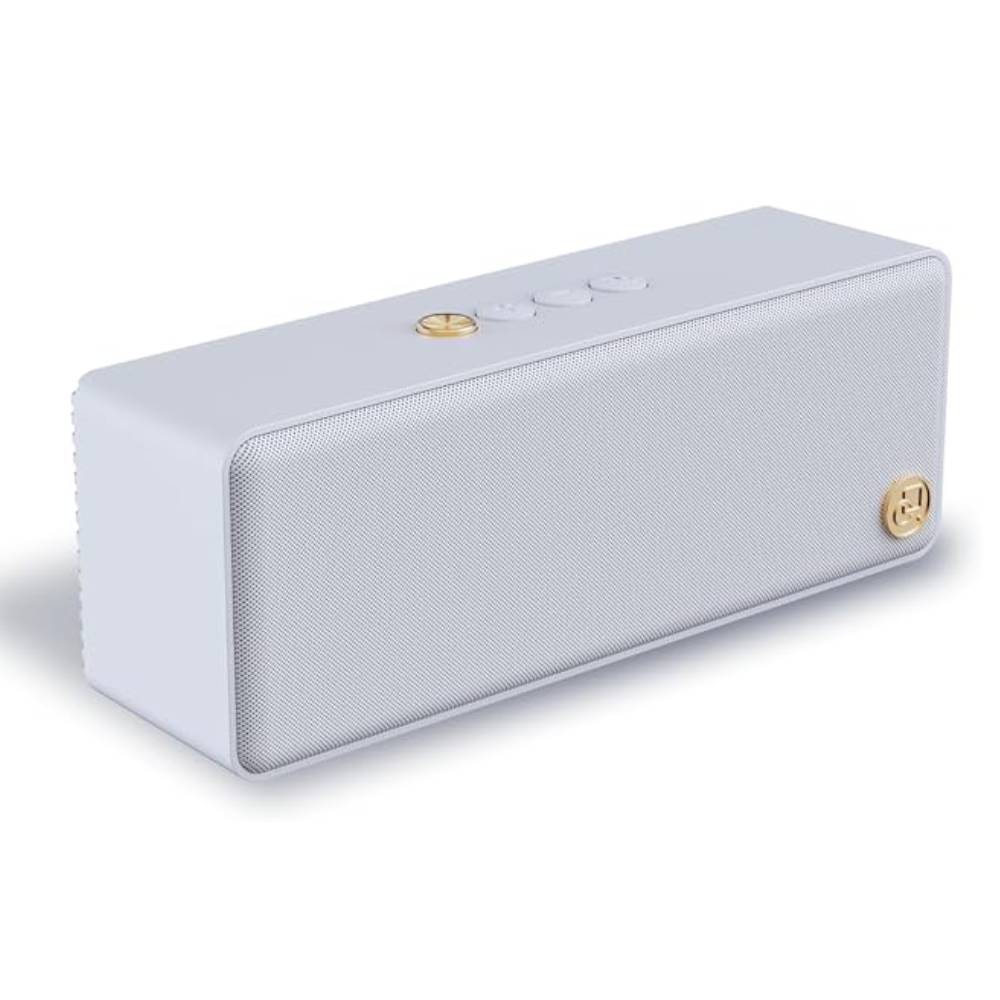
Appropriate volume solves more problems than any amount of soundproofing. The PartyStudio apartment keyboard speaker provides precise volume control essential for apartment living.
Recommended Volume Levels by Time:
|
Time Period |
Maximum Volume |
SPL Level |
PartyStudio Setting |
|
7 AM - 9 AM |
Low |
60-65 dB |
25-30% |
|
9 AM - 6 PM |
Moderate |
65-75 dB |
30-50% |
|
6 PM - 9 PM |
Low-Moderate |
60-70 dB |
25-40% |
|
9 PM - 10 PM |
Very Low |
55-60 dB |
15-25% |
|
10 PM - 7 AM |
Headphones Only |
- |
Headphone jack |
Why These Levels Work:
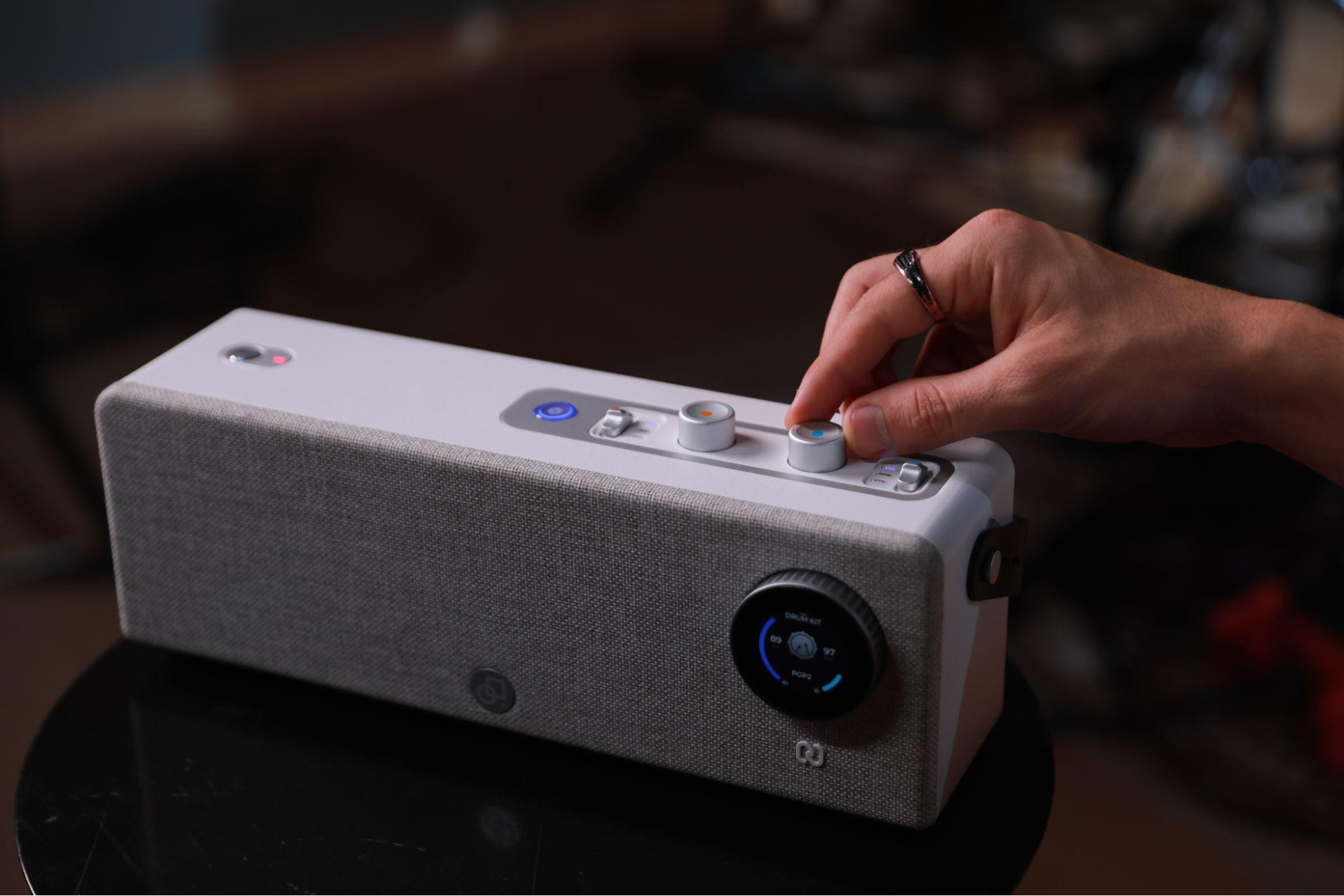
Precise Control Features:
|
Feature |
Benefit |
Apartment Application |
|
Physical Volume Knob |
Instant adjustment |
Quick reduction when doorbell rings |
|
Touchscreen Control |
Fine-tuning |
Precise volume matching |
|
Headphone Jack |
Silent practice |
Late night/early morning sessions |
|
Multiple Output Levels |
Flexibility |
Different times require different levels |
|
70W Power Reserve |
Clean low volume |
Excellent clarity even at 20-30% |
Key Advantage: High-powered speakers like PartyStudio's 70W system maintain exceptional clarity at low volumes. Lower-powered speakers sound thin and distorted when turned down, tempting users to increase volume. PartyStudio sounds rich and full even at apartment-safe levels.
Before regular practice, conduct a simple test:
Testing Procedure:
Best Practice: Introduce yourself to immediate neighbors, explain your practice schedule, provide your phone number for concerns, and ask about their sensitive times (night shifts, infant naps, work-from-home calls).
Speaker and keyboard positioning dramatically affects sound transmission to adjacent units.
Sound intensity decreases with distance following the inverse square law:
Distance vs. Volume Reduction:
|
Distance from Wall |
Volume Reduction |
Practical Impact |
|
Against wall (0 cm) |
0 dB |
Maximum transmission |
|
30 cm (1 foot) |
-3 dB |
Slightly quieter |
|
60 cm (2 feet) |
-6 dB |
Noticeably quieter |
|
120 cm (4 feet) |
-12 dB |
Half as loud to neighbors |
|
240 cm (8 feet) |
-18 dB |
Quarter as loud to neighbors |
Application: Moving your practice setup 4 feet from shared walls reduces neighbor-side volume by 75%. This simple change often solves sound complaints without requiring soundproofing.
Best Practice Layout:
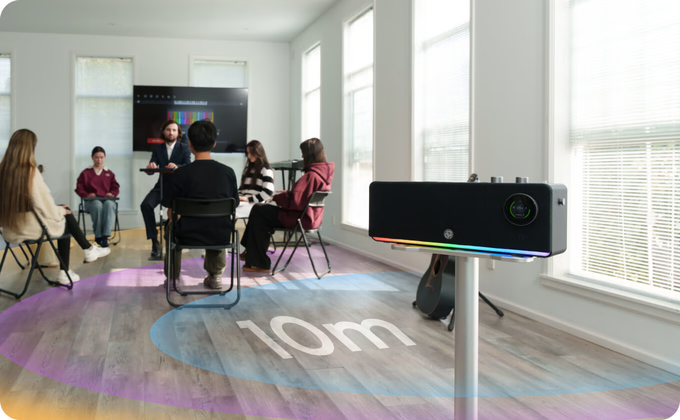
PartyStudio Wireless Advantage: The 10-meter wireless range allows flexible positioning. Place the speaker centrally in your apartment, away from all shared walls, while maintaining freedom to position yourself comfortably.

When you practice matters as much as how loudly you practice.
Typical Apartment Quiet Hours:
Less Obvious Sensitive Times:
Best Times for Louder Practice:
|
Time Window |
Neighbor Tolerance |
Recommended Volume |
Session Length |
|
10 AM - 12 PM |
High |
65-75 dB |
2-3 hours |
|
2 PM - 5 PM |
High |
65-75 dB |
2-3 hours |
|
7 PM - 8 PM |
Moderate |
60-70 dB |
1-2 hours |
|
Weekend midday |
High |
70-80 dB |
3-4 hours |
Times Requiring Extra Caution:
Maximize productive practice during tolerance windows:
Effective Schedule:
PartyStudio's 8-Hour Battery Advantage: Practice in communal spaces (building common rooms, parks, parking garages) during restricted home hours, extending available practice time without neighbor concerns.
Sometimes the only acceptable volume is zero. Effective silent practice maintains progress without sound.
Advantages of Headphone Use:
|
Benefit |
Application |
Impact |
|
Zero neighbor disturbance |
Late night/early morning |
Unlimited practice windows |
|
Enhanced detail hearing |
Technical refinement |
Better precision development |
|
Focus improvement |
Learning complex material |
Reduced distractions |
|
Full feature access |
All 128 tones + drum machine |
Complete musical experience |
|
Privacy |
Personal practice |
No self-consciousness |
PartyStudio Headphone Jack: Direct connection maintains full access to embedded sound chip, all 128 instrument tones, 50+ drum patterns, and rhythm controls without generating external sound.
Effective Headphone Practice Methods:
Technical Development:
Musical Development:
Theory and Mental Practice:
Recommended Distribution:
|
Practice Type |
Speaker Use |
Headphone Use |
|
Technical exercises |
30% |
70% |
|
New material learning |
40% |
60% |
|
Repertoire practice |
60% |
40% |
|
Performance preparation |
80% |
20% |
|
Late night sessions |
0% |
100% |
Rationale: Headphones excel for repetitive technical work and quiet hours. Speakers provide better spatial awareness and performance preparation. PartyStudio's seamless switching enables easy transition between modes.
Technology and technique matter, but human relationships determine long-term apartment practice success.
Initial Introduction (First Week):
Example Script: "Hi, I'm [name] in [unit]. I wanted to let you know I practice keyboard regularly, usually [times]. I keep the volume reasonable and use headphones after 9 PM, but please text me at [number] if it's ever disruptive. Are there any times that are particularly sensitive for you?"
For serious musicians in challenging situations, additional investments may prove worthwhile.
Alternative Practice Locations:
|
Option |
Cost |
Availability |
Effectiveness |
|
Music school practice rooms |
$10-30/hour |
Limited hours |
Excellent |
|
Storage unit practice |
$50-150/month |
24/7 access |
Good |
|
Rehearsal studios |
$15-40/hour |
By reservation |
Excellent |
|
Community centers |
$5-20/hour |
Limited hours |
Moderate |
|
Churches (community access) |
Free-$10/hour |
Variable |
Good |
|
Co-working music spaces |
$100-300/month |
Business hours |
Excellent |
PartyStudio Portability Advantage: At 6 pounds with 8-hour battery and wireless connectivity, PartyStudio easily transports to alternative practice locations, enabling professional practice without apartment restrictions.
Reality Check: Even $1000 in acoustic treatment only reduces transmission 10-20 dB. Compare this cost to alternative practice spaces or premium headphones before investing heavily.
Apartment keyboard practice requires more consideration than house practice, but it's entirely achievable with modern equipment and thoughtful approaches. The combination of appropriate technology, strategic volume management, environmental modifications, and neighbor communication creates sustainable practice routines.
Essential Strategies Summary:
Modern speaker systems with precise volume control and headphone jacks
Volume management: 60-70 dB during tolerant hours, headphones for quiet hours
Strategic placement: 4-6 feet from shared walls, elevated off floors
Environmental modifications: Soft furnishings, door sealing, bass management
Time consciousness: Practice during 10 AM-5 PM when possible
Neighbor relations: Proactive communication and goodwill building
Silent practice: Headphones for 30-50% of practice time
Alternative spaces: External practice locations when available
The PartyStudio apartment keyboard speaker addresses apartment challenges through purposeful design: precise volume control, exceptional clarity at low volumes, comprehensive headphone support, wireless flexibility for optimal positioning, and true portability for external practice locations.
Apartment living doesn't require sacrificing musical development. With appropriate equipment, mindful practices, and neighbor consideration, you can maintain consistent, productive practice routines that respect shared living spaces while advancing your musical skills.
A: The safest window is 10 AM - 9 PM on weekdays, 10 AM - 10 PM on weekends, keeping volume at 60-70 dB (30-40% PartyStudio volume).
A: Yes, 70W is ideal for apartments. Higher power doesn't mean louder minimum volume—it means better clarity at low volumes.
A: Foam isolation reduces structure-borne transmission (vibrations through floors) by 40-60%, helping downstairs neighbors significantly.
A: Balance both methods. Use headphones for 30-50% of practice (late nights, early mornings, extended technical exercises) and speakers during tolerant hours (10 AM - 8 PM at 60-70 dB).
A: First, apologize and discuss specifics (times, frequencies, volumes). Some neighbors have unusual schedules (night shifts, work-from-home calls, health conditions) requiring extra accommodation.
A: Yes, dramatically. Moving PartyStudio from against a shared wall to 4 feet away reduces neighbor-side volume by approximately 75% (12 dB reduction).
A: 65-70 dB (30-40% PartyStudio volume) provides excellent practice quality while respecting neighbors. This level captures full instrument detail, supports dynamic expression, and maintains musical satisfaction.
A: Yes, using PartyStudio's headphone jack for silent practice. This provides complete access to all 128 instrument tones, 50+ drum patterns, and full musical functionality without generating external sound.
Read more
How Loud Is ‘Practice Volume’? A Beginner’s SPL Guide
When choosing a keyboard practice speaker, one specification stands out: power output measured in watts. But what does "70W" actually mean for your practice sessions? How loud is loud enough? And m...
Buying Checklist: 9 Specs That Matter on a Keyboard Speaker
Choosing the best speaker for MIDI keyboard requires navigating confusing specifications, marketing hype, and contradictory advice. Power ratings, frequency responses, connectivity options, and doz...