Electronic keyboards and MIDI controllers have transformed music creation, offering portability and versatility that acoustic instruments cannot match. However, one critical limitation has always constrained where and how long musicians can play: power dependency.
Most portable keyboards require wall outlets, limiting practice sessions to locations with accessible electricity. Even battery-powered keyboards often drain quickly or use expensive proprietary batteries. This power problem forces musicians to plan around outlets rather than inspiration.
The evolution of battery powered keyboard speaker systems finally solves this decades-old limitation, enabling truly mobile music creation. Understanding what works and what doesn't in keyboard power solutions helps musicians choose systems that deliver reliable, long-lasting performance anywhere.
Before exploring power bank solutions, understanding how keyboards consume electricity reveals why some power options work while others fail spectacularly.
Different keyboard types demand vastly different power levels:
|
Keyboard Type |
Typical Power Draw |
Battery Life Estimate |
|
Basic MIDI Controller (no sounds) |
2-5W |
20-40 hours on 5000mAh |
|
Entry-Level Keyboard (built-in speakers) |
10-15W |
8-12 hours on 5000mAh |
|
Mid-Range Digital Piano |
15-25W |
5-8 hours on 5000mAh |
|
Professional Stage Piano |
25-40W |
3-5 hours on 5000mAh |
|
Keyboard + Powered Speakers |
50-100W |
1-3 hours on 5000mAh |
Standard smartphone power banks face several obstacles when powering keyboards:
Voltage Mismatch Problems:
Current Delivery Limitations:
Connector Incompatibility:
Capacity Deception:

The most reliable solution integrates batteries directly into the music creation system, optimizing power delivery for musical performance rather than adapting smartphone charging technology.
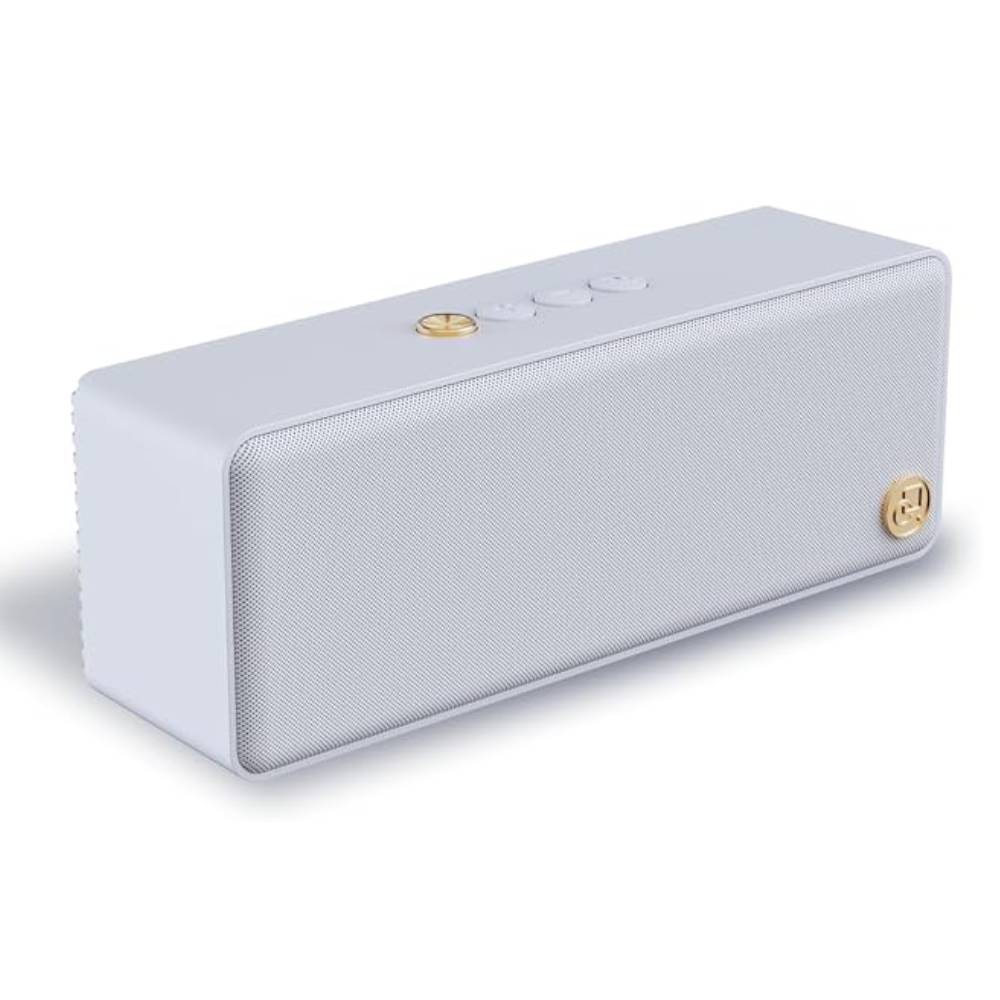
The PartyStudio wireless MIDI speaker system demonstrates how intelligent battery integration solves traditional power problems:
Integrated 5000mAh Battery System:
|
Specification |
Details |
|
Battery Capacity |
5000mAh lithium battery |
|
Continuous Playback |
Up to 8 hours |
|
Charging Method |
USB-C PD Fast Charging |
|
Full Charge Time |
3 hours |
|
Play While Charging |
Yes, full functionality maintained |
|
Battery Protection |
Overcharge, overdischarge, short-circuit protection |
|
Temperature Management |
Active thermal monitoring and control |
Why This Design Works:
Traditional setups waste enormous amounts of power through inefficient conversion and transmission:
Traditional Keyboard + External Speaker Setup:
Total Efficiency: ~50% (half the power becomes heat, not music)
Integrated Battery System (PartyStudio):
Total Efficiency: ~85% (far more power creates actual sound)

For musicians using traditional MIDI keyboards who want battery operation, some power bank approaches do work—with important caveats and limitations.
Modern USB-C Power Delivery standard enables higher voltage and current output, making laptop-class power banks viable for some keyboards:
Requirements for Success:
Compatible Keyboard Types:
Limitations:
For professional stage keyboards requiring standard AC power, portable power stations offer another option:
Specifications Needed:
|
Feature |
Minimum Requirement |
|
AC Output |
Pure sine wave, 100W minimum |
|
Battery Capacity |
150Wh (40,000mAh @ 3.7V equivalent) |
|
Weight |
3-8 pounds |
|
Recharge Time |
3-6 hours |
|
Runtime |
2-4 hours for keyboard + speakers |
Advantages:
Disadvantages:
The breakthrough that makes modern battery powered keyboard speakers practical isn't just better batteries—it's architectural redesign that minimizes power consumption where it matters most.
Understanding where power goes reveals optimization opportunities:
Traditional Setup Power Breakdown:
|
Component |
Power Consumption |
Percentage of Total |
|
MIDI Keyboard Electronics |
2-5W |
5-10% |
|
Key Sensing and Processing |
1-2W |
2-5% |
|
Audio Processing (if onboard) |
3-5W |
5-10% |
|
Amplifiers and Speakers |
30-50W |
70-80% |
|
Display and Controls |
1-3W |
2-5% |
The 80/20 Rule: Amplification consumes 70-80% of total power, while actual music creation uses only 20-30%.
BLE MIDI (Bluetooth Low Energy MIDI) transmission requires remarkably little power:
PartyKeys Wireless Keyboard Power Profile:
Battery Life Result: Months of regular practice on standard AA or rechargeable batteries
By transmitting only lightweight MIDI data wirelessly rather than generating and amplifying sound, the keyboard itself becomes extraordinarily power-efficient. The speaker handles power-intensive amplification with its large integrated battery optimized for that purpose.
PartyStudio's ability to connect up to 4 MIDI devices simultaneously creates interesting power dynamics:
Traditional Multi-Keyboard Setup:
Wireless MIDI Multi-Keyboard Setup:
Power Savings: 73-80% compared to traditional setups
Even with optimized battery systems, smart power management extends playing time and ensures reliability during critical performances.
Volume Management:
Feature Optimization:
Connection Efficiency:
Environmental Factors:
|
Usage Scenario |
Expected Battery Life (5000mAh) |
|
Solo practice, 50% volume |
10-12 hours |
|
Solo practice, 75% volume |
8-10 hours |
|
Multi-keyboard, 50% volume |
7-9 hours |
|
Multi-keyboard, 75% volume |
6-8 hours |
|
Maximum volume, all features |
4-6 hours |
|
Outdoor performance, high volume |
5-7 hours |
Optimal Charging Habits:
Fast Charging vs. Battery Longevity:
The power bank question for keyboards has a clear answer: integrated battery systems designed specifically for musical applications dramatically outperform external power solutions adapted from other uses.
Why Integrated Systems Win:
Power Efficiency: 70-80% efficiency vs. 50% for external solutions
Longer Runtime: 8-12 hours vs. 2-4 hours with similar capacity
Zero Extra Weight: No external batteries to carry
Instant Setup: No adapters, cables, or voltage matching
Optimized Performance: All components designed to work together
Lower Total Cost: No expensive power banks or adapters needed
Better Reliability: Fewer connection points mean fewer failure modes
Professional Results: Purpose-built for music, not adapted from other uses
For musicians prioritizing portability, the PartyStudio battery powered keyboard speaker approach represents the current state-of-the-art: wireless MIDI keyboards that sip power from standard batteries, paired with a speaker containing a large integrated battery optimized for audio amplification.
This architectural approach delivers 8 hours of professional-quality performance in a package weighing less than 10 pounds total, without external power banks, adapters, or complexity.
The future of portable music isn't about better power banks—it's about smarter system design that eliminates the need for them entirely.
A: Only if your keyboard accepts 5V USB power directly. Most traditional keyboards require 9V, 12V, or 15V and won't work with standard 5V power banks.
A: Battery life varies by usage: 10-12 hours for solo practice at moderate volume, 8-10 hours for typical playing at 75% volume, and 6-8 hours for multi-keyboard setups or high-volume performances.
A: No, BLE MIDI uses Bluetooth Low Energy protocol specifically designed for minimal power consumption. Wireless MIDI keyboards like PartyKeys consume only 10-20mW during active playing—comparable to wired connections and far less than other wireless protocols.
A: Yes, PartyStudio maintains full functionality while charging via USB-C. The power management system seamlessly handles simultaneous charging and playing without performance degradation.
A: PartyStudio provides low-battery warnings well before complete depletion, giving 20-30 minutes notice to connect charging cable or conclude performance.
A: The integrated 5000mAh lithium battery is rated for 500+ full charge cycles while maintaining 80% of original capacity. For typical users charging twice weekly, this represents 4-5 years of regular use before noticeable degradation.
A: Only for specific situations: USB-powered MIDI controllers, keyboards accepting 12V DC with proper adapters, or emergency backup power.
A: Yes, any USB-C power bank can extend PartyStudio's runtime. A 10,000mAh USB-C power bank adds approximately 6-8 hours of additional playing time.
Read more
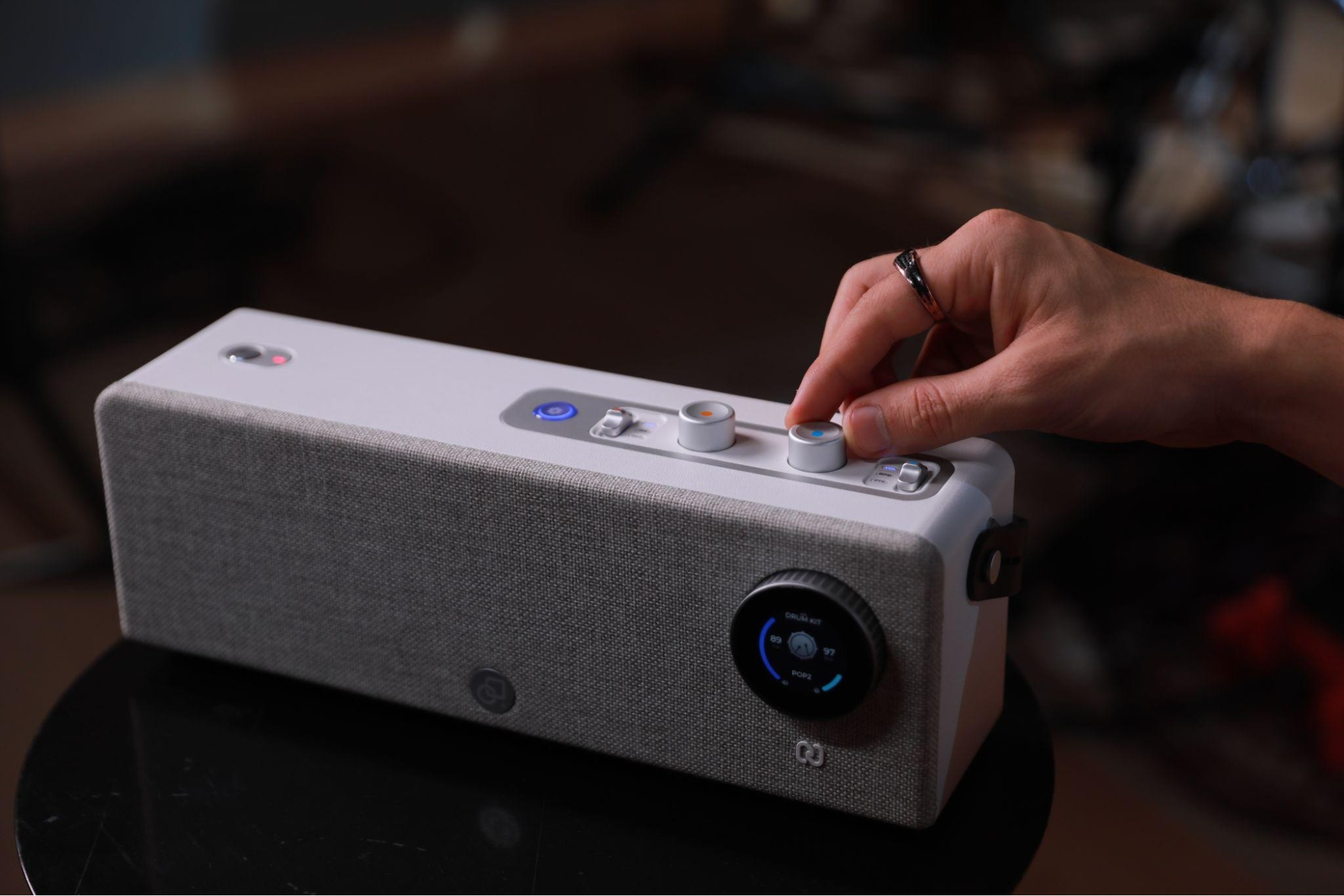
The Minimalist Travel Rig: Keyboard + Speaker + Power in One Bag
For decades, traveling musicians faced an impossible choice: leave their instruments at home or haul heavy, complicated equipment everywhere they went. Traditional portable music setups required ke...
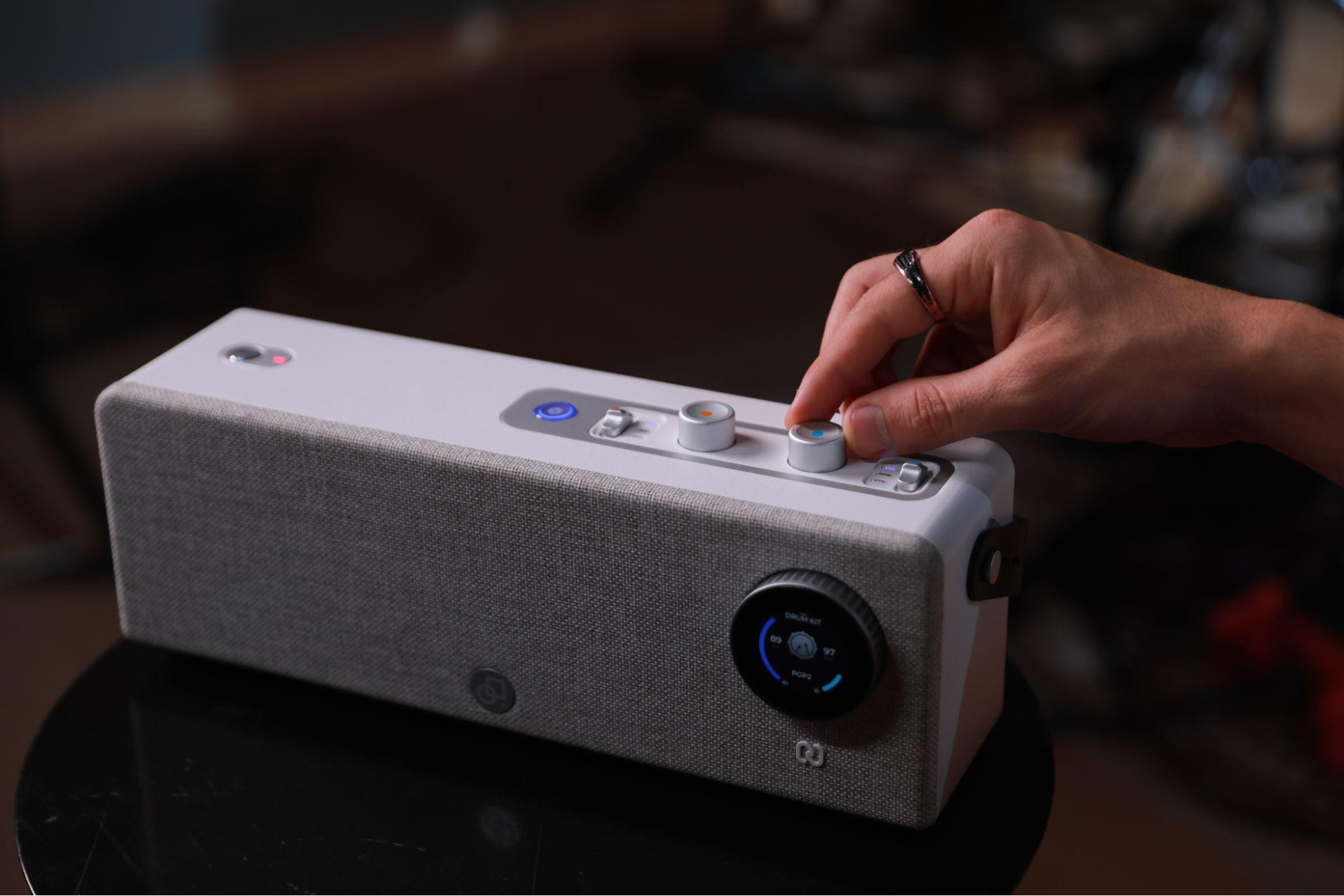
How Loud Is ‘Practice Volume’? A Beginner’s SPL Guide
When choosing a keyboard practice speaker, one specification stands out: power output measured in watts. But what does "70W" actually mean for your practice sessions? How loud is loud enough? And m...