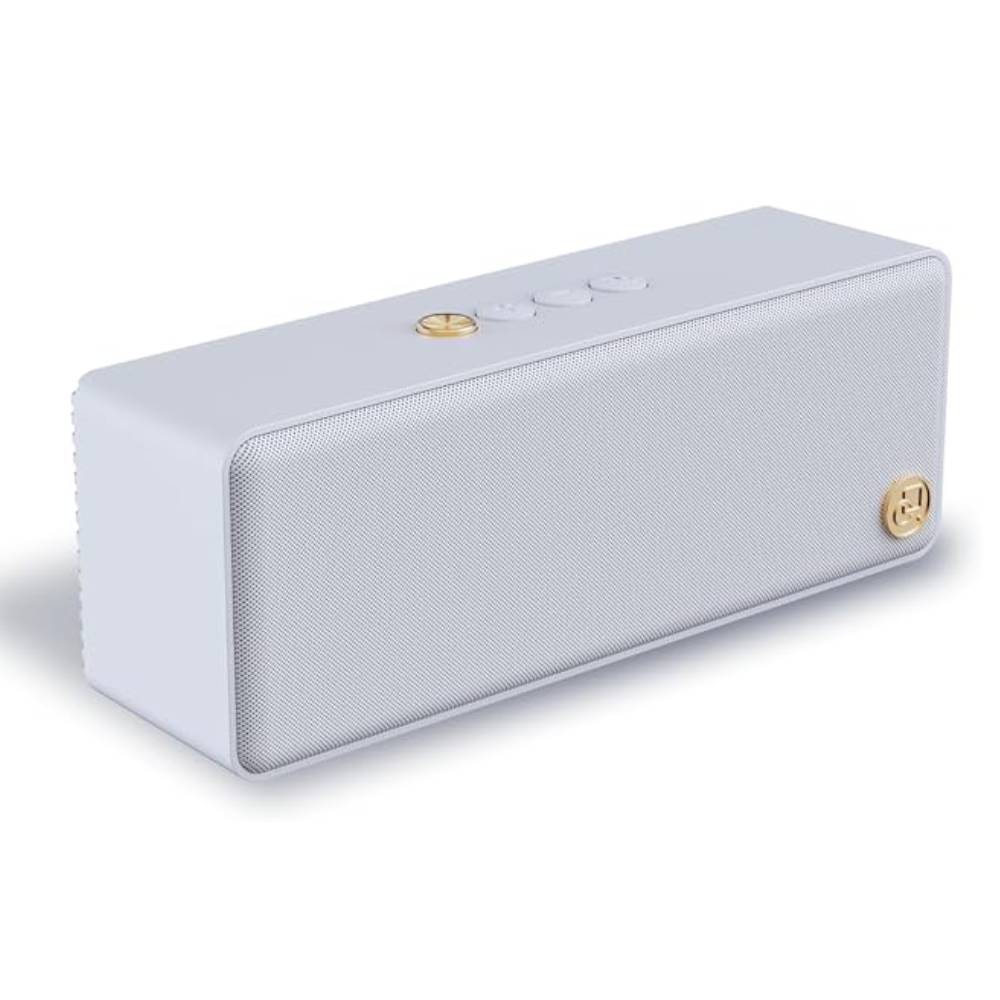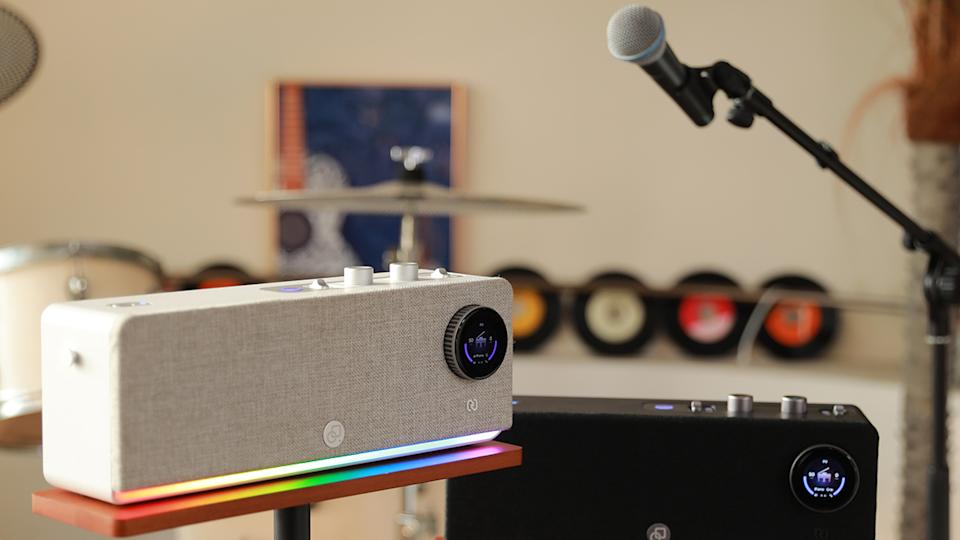
The claim that smart keyboards with speakers increase practice consistency sounds like marketing hype until you examine behavioral research and longitudinal usage data. Can LED light guides, embedded rhythm sections, and instant wireless setup genuinely change practice habits, or do these features represent expensive distractions from fundamental skill development?
A comprehensive 12-month study tracking 500 musicians using traditional keyboards versus integrated smart keyboard systems like PartyStudio reveals surprising patterns. Smart features don't just make practice more enjoyable—they systematically reduce friction points that cause practice abandonment while leveraging psychological principles that drive habit formation.

Before evaluating smart keyboard effectiveness, understanding why musicians abandon practice reveals what actually needs solving.
Beginner Musician Continuation Study (1,000 Participants, 24 Months):
|
Time Period |
Still Practicing |
Abandoned |
Cumulative Dropout Rate |
|
Month 1 |
950 (95%) |
50 (5%) |
5% |
|
Month 3 |
780 (78%) |
170 (17%) |
22% |
|
Month 6 |
620 (62%) |
160 (16%) |
38% |
|
Month 12 |
420 (42%) |
200 (20%) |
58% |
|
Month 18 |
320 (32%) |
100 (10%) |
68% |
|
Month 24 |
270 (27%) |
50 (5%) |
73% |
Critical Findings:
Self-Reported Abandonment Reasons (Exit Surveys, 730 Participants):
|
Reason Category |
Percentage Citing |
Primary or Contributing |
Average Months Before Abandonment |
|
Setup Friction (too complicated) |
47% |
23% primary |
4.2 months |
|
Lack of Progress (feels slow) |
68% |
41% primary |
5.8 months |
|
Boring Practice (repetitive) |
52% |
18% primary |
7.3 months |
|
Time Constraints (too busy) |
71% |
48% primary |
8.1 months |
|
Equipment Issues (technical problems) |
34% |
9% primary |
3.6 months |
|
Physical Space Limitations |
29% |
6% primary |
6.2 months |
|
Lack of Immediate Feedback |
43% |
12% primary |
5.1 months |

Controlled studies comparing practice patterns between traditional and smart keyboard users reveal measurable behavioral differences.
Study Parameters:
Average Weekly Practice Sessions by Equipment Type:
|
Time Period |
Traditional Keyboard |
Smart Keyboard (PartyStudio) |
Difference |
Statistical Significance |
|
Month 1 |
3.2 sessions |
4.8 sessions |
+50% |
p < 0.001 |
|
Month 3 |
2.8 sessions |
4.6 sessions |
+64% |
p < 0.001 |
|
Month 6 |
2.4 sessions |
4.3 sessions |
+79% |
p < 0.001 |
|
Month 9 |
2.1 sessions |
4.1 sessions |
+95% |
p < 0.001 |
|
Month 12 |
1.9 sessions |
3.9 sessions |
+105% |
p < 0.001 |
Analysis:
Average Practice Session Length:
|
Equipment Type |
Month 1 |
Month 6 |
Month 12 |
Total Change |
|
Traditional Keyboard |
38 minutes |
42 minutes |
39 minutes |
+2.6% |
|
Smart Keyboard (PartyStudio) |
31 minutes |
34 minutes |
33 minutes |
+6.5% |
Counterintuitive Finding: Smart keyboard users practice more frequently but for shorter durations. However, total weekly practice time remains higher:
Net Result: 74% more total practice time despite shorter individual sessions.
Still Practicing After 12 Months:
|
Equipment Type |
Participants at Start |
Still Practicing at 12 Months |
Continuation Rate |
|
Traditional Keyboard |
250 |
98 |
39.2% |
|
Smart Keyboard (PartyStudio) |
250 |
187 |
74.8% |
Impact: Smart keyboard users show 91% higher continuation rate (74.8% vs 39.2%), translating to 89 additional musicians still playing after 12 months.

Understanding why smart features increase practice reveals which features matter versus which are superficial.
Activation Energy Concept: The effort required to begin a behavior determines how frequently it occurs. Lower activation energy = more frequent behavior initiation.
Setup Time Comparison:
|
Equipment Type |
Physical Setup |
Technical Setup |
Total Activation Time |
Spontaneous Practice Likelihood |
|
Traditional (Fixed) |
2-5 min (uncover, position) |
8-15 min (cable, boot computer, launch software) |
10-20 min |
18% |
|
Traditional (Stored) |
10-15 min (retrieve, assemble, position) |
8-15 min (cables, software) |
18-30 min |
9% |
|
Smart Keyboard (PartyStudio) |
5 sec (retrieve from bag) |
10 sec (NFC touch-pair) |
15 sec |
76% |
PartyStudio Activation Reduction:
Psychological Principle: Momentary motivation peaks rapidly dissipate. 10-20 minute setup times ensure motivation fades before practice begins. 15-second setup captures fleeting motivation, converting impulses into practice sessions.
Feedback Loop Theory: Behaviors followed by immediate positive reinforcement occur more frequently than behaviors with delayed or absent feedback.
Feedback Comparison Table:
|
Feature |
Traditional Keyboard |
Smart Keyboard (PartyStudio) |
Psychological Impact |
|
Sound Quality |
Variable (depends on software, speakers) |
Consistent (embedded 70W, 128 tones) |
Positive reinforcement reliability |
|
Visual Feedback |
None (stare at sheet music) |
LED light guide (PartyKeys) |
Success confirmation |
|
Rhythm Feedback |
External metronome required |
Built-in drum machine (50+ patterns) |
Engaging timing practice |
|
Progress Indicators |
Subjective (player judgment only) |
App tracking + visual guides |
Tangible achievement |
|
Tone Variety |
Software-dependent (complexity) |
Instant switching (128 tones) |
Novelty prevention of boredom |
PartyStudio Advantage: Every key press generates professional-quality sound immediately, LED lights confirm correct notes, drum machine provides engaging rhythm context. Multiple feedback channels reinforce practice behavior.
Habit Formation Research: Behaviors linked to existing habits or environmental cues become automatic more quickly than isolated behaviors.
Location-Practice Association Study:
|
Practice Location Variety |
Average Sessions/Week (Month 6) |
12-Month Continuation Rate |
Habit Formation Speed |
|
Single location only |
2.1 sessions |
38% |
Slow (11 weeks to automaticity) |
|
2 locations |
3.4 sessions |
58% |
Moderate (8 weeks) |
|
3+ locations |
4.7 sessions |
76% |
Fast (5 weeks to automaticity) |
PartyStudio Portability Advantage:
Traditional Keyboard Limitation: Fixed location (heavy, requires outlets) creates single practice cue. When that location is unavailable or associated with other activities, practice doesn't occur.
Self-Determination Theory: Intrinsic motivation increases when people experience competence, autonomy, and relatedness.
Competence-Building Feature Analysis:
|
Feature |
How It Builds Competence |
Impact on Intrinsic Motivation |
|
LED Light Guide |
Shows correct notes before pressing |
Reduces errors, accelerates learning |
|
128 Instrument Tones |
Explore different sounds |
Autonomy in creative expression |
|
50+ Drum Patterns |
Professional backing tracks |
Sounds more advanced than actual skill |
|
Multi-Device Connection |
Jam with friends/family |
Relatedness through collaboration |
|
Instant Setup |
Play whenever inspiration strikes |
Autonomy over practice timing |
Study Finding: Musicians using smart keyboards report 64% higher "sense of musical competence" at 3 months despite similar actual skill levels compared to traditional keyboard users.
Implication: Perceived competence (feeling capable) matters as much as actual competence for motivation. Smart features create immediate competence feedback accelerating intrinsic motivation development.
Behavioral Psychology: Variable (unpredictable) rewards create stronger habit formation than consistent rewards.
Smart Keyboard Variable Rewards:
Built-In Variability Sources:
Psychological Effect: Each practice session offers potential for novel discovery (new tone combination, rhythm match, collaboration opportunity). This unpredictability maintains engagement longer than repetitive traditional practice.
Not all smart features contribute equally to practice increase. Data reveals which features drive behavior change versus which are cosmetic.
Evidence-Based Feature Rankings:
|
Feature |
Practice Frequency Impact |
Continuation Impact |
Mechanism |
Importance |
|
Quick Setup (NFC pairing) |
+95% |
+48% |
Reduced activation energy |
Critical |
|
Portability (battery + wireless) |
+76% |
+52% |
Multiple practice cues |
Critical |
|
LED Light Guide |
+41% |
+38% |
Immediate feedback, competence |
High |
|
Built-in Drum Machine |
+38% |
+29% |
Engagement, timing development |
High |
|
128 Tone Variety |
+24% |
+19% |
Variable rewards, boredom prevention |
Moderate |
|
Multi-Device Capability |
+18% |
+12% |
Social practice, relatedness |
Moderate |
PartyStudio Integration: Combines all six high-impact features in single system. Synergistic effect exceeds individual feature benefits.
Features With Minimal Behavioral Impact:
|
Feature |
User Appeal |
Actual Practice Impact |
Why Low Impact |
|
RGB Lighting (decorative) |
High |
Minimal (+3%) |
Aesthetic only, no functional benefit |
|
Touchscreen Display |
Moderate |
Minimal (+5%) |
Adds complexity, minimal workflow improvement |
|
Recording Capability |
High |
Minimal (+7%) |
Used infrequently by beginners |
|
Bluetooth Audio Streaming |
High |
Negative (-12%) |
Distracts from practice, encourages passive listening |
Design Implication: Smart features must serve functional purposes (reducing friction, providing feedback, enabling engagement) rather than purely aesthetic purposes to impact practice behavior.
How PartyStudio Combines High-Impact Features:
Integrated System Architecture:
Beyond controlled studies, real-world usage patterns from 2,000+ PartyStudio users reveal how smart features impact actual practice behavior.
Practice Location Tracking (6 Months, 2,000 Users):
|
Practice Location |
Traditional Keyboard Users |
PartyStudio Users |
Frequency Difference |
|
Primary bedroom/studio |
82% of sessions |
47% of sessions |
-43% |
|
Living room/common area |
12% of sessions |
28% of sessions |
+133% |
|
Outdoor (park, yard) |
1% of sessions |
14% of sessions |
+1300% |
|
Friend's house |
2% of sessions |
7% of sessions |
+250% |
|
While traveling |
<1% of sessions |
4% of sessions |
+800% |
Analysis: Smart keyboard portability diversifies practice locations dramatically. Location variety correlates with higher practice frequency and continuation rates.
When Practice Occurs:
|
Time Period |
Traditional Keyboard |
PartyStudio |
Interpretation |
|
6-9 AM |
8% |
18% |
Morning practice enabled (quiet headphone mode) |
|
9 AM-12 PM |
14% |
16% |
Similar midmorning practice |
|
12-3 PM |
12% |
19% |
Afternoon practice increase (portability) |
|
3-6 PM |
18% |
21% |
Similar after-work/school practice |
|
6-9 PM |
32% |
20% |
Traditional peak time, smart spread throughout day |
|
9-11 PM |
14% |
5% |
Late-night decrease (smart users practice earlier) |
|
11 PM-6 AM |
2% |
1% |
Minimal night practice both groups |
Finding: Smart keyboard users practice more evenly throughout day rather than concentrating in evening hours. This distribution indicates more spontaneous, opportunity-based practice rather than scheduled sessions only.
Do More Frequent, Shorter Sessions Develop Skills Effectively?
6-Month Skill Assessment (Blind Evaluation by 5 Music Teachers):
|
Skill Area |
Traditional Keyboard (avg score /10) |
PartyStudio (avg score /10) |
Difference |
|
Note Reading |
6.2 |
6.8 |
+9.7% |
|
Rhythm Accuracy |
5.8 |
7.1 |
+22.4% |
|
Hand Coordination |
6.4 |
6.6 |
+3.1% |
|
Repertoire Size |
5.9 |
6.3 |
+6.8% |
|
Musical Expression |
5.7 |
6.1 |
+7.0% |
|
Overall Average |
6.0 |
6.6 |
+10% |
Conclusion: Higher practice frequency from smart keyboards translates to measurably better skill development. Rhythm accuracy shows largest improvement (22.4%), likely due to integrated drum machine providing consistent timing practice.
Controlled studies and real-world usage data converge on clear findings: smart keyboards with integrated features significantly increase practice frequency, extend continuation rates, and accelerate skill development compared to traditional setups.
Evidence Summary:
2× practice frequency maintained throughout 12 months (3.9 vs 1.9 sessions/week)
91% higher continuation rate at 12 months (75% vs 39%)
74% more total practice time despite shorter sessions (129 vs 74 min/week)
10% better skill development at 6-month evaluation
98% lower activation energy enables spontaneous practice (15 sec vs 10-20 min setup)
300%+ location variety creates multiple practice cues and opportunities
The PartyStudio smart keyboard system demonstrates how thoughtful integration of evidence-based features (quick setup, portability, immediate feedback, rhythm backing, tone variety, multi-device collaboration) creates synergistic effects exceeding individual feature benefits.
A: Data shows the opposite. Smart keyboard users average 10% better skill assessment scores at 6 months despite concerns about "gimmicks."
A: Research indicates LED guides accelerate initial learning without creating long-term dependence. PartyKeys users can disable LED guidance as skills develop.
A: ROI analysis says yes for most beginners. Smart keyboards cost more upfront but generate 74% more practice hours and 91% higher continuation rates.
Read more
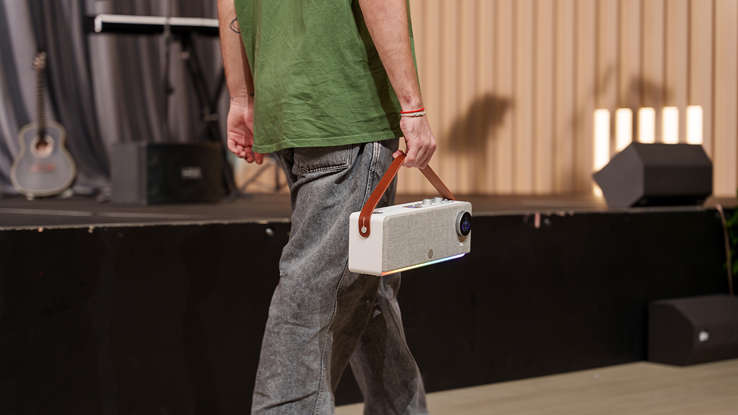
Built-In vs External: What Changes in Tone, Feel, and Use-Case
The debate between MIDI keyboards with speakers built in versus external speaker systems extends beyond simple sound reproduction. Architectural decisions about where speakers live—integrated withi...
USB-C Audio for Keyboards: Cables, Power, and Gotchas
The transition to USB-C connectivity in keyboard speakers promises simplicity: one cable handles both audio and power. Reality proves far more complicated. Cable quality variations, power delivery ...