If you've ever tried to practice piano on a MIDI keyboard late at night, you've probably felt the frustration. Your keyboard sends signals, but without proper audio equipment, you're stuck listening through tinny built-in speakers or complicated audio interfaces that require cables, software, and patience you don't have.
That's where a MIDI speaker changes everything. But what exactly is it, when do you need one, and when can you skip it entirely? Let's break down this essential piece of modern music-making gear.
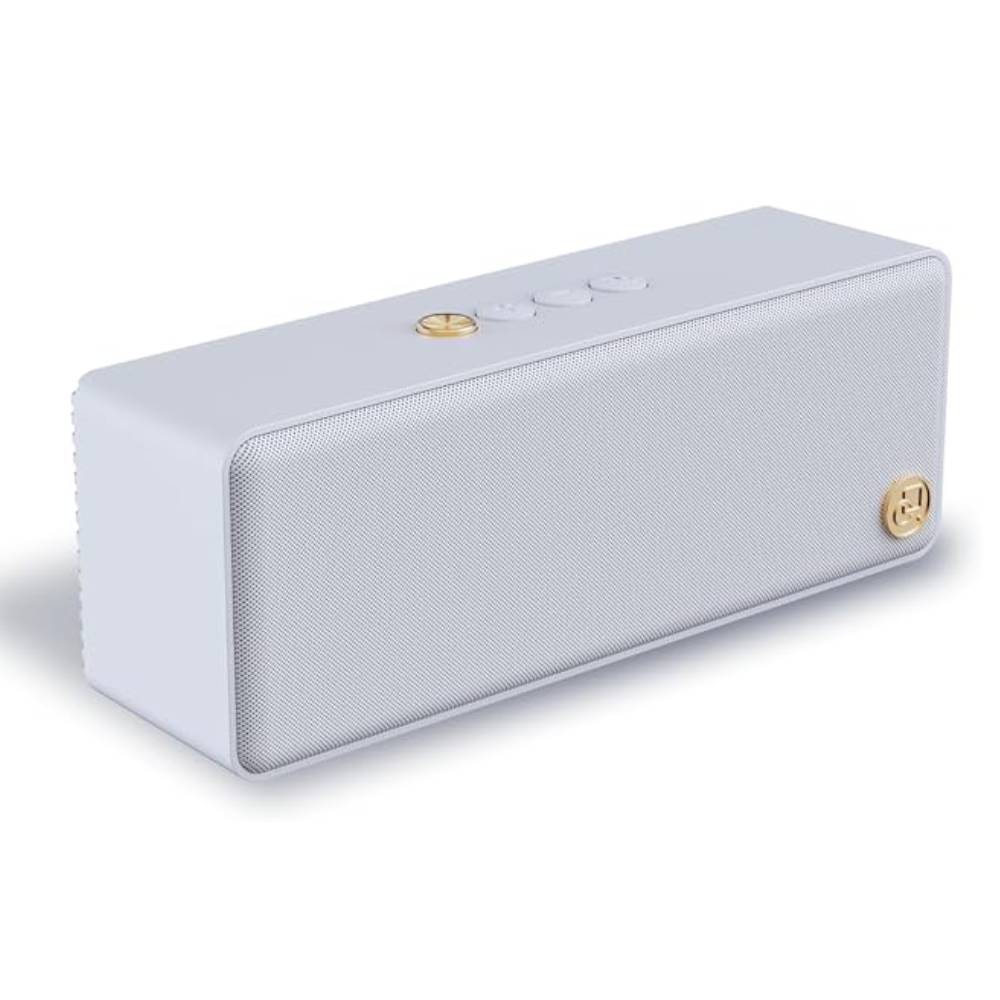
A MIDI speaker is an audio output device specifically designed to work with MIDI instruments. Unlike regular Bluetooth speakers that simply play pre-recorded audio from your phone, a MIDI speaker receives digital signals from your keyboard, processes them through an internal sound chip, and converts them into actual instrument sounds in real-time.
Think of your MIDI keyboard as a messenger. It tells the speaker which note to play, how hard you hit the key, and how long to sustain it. The MIDI speaker interprets these messages instantly and produces the corresponding sound, whether that's a grand piano, electric guitar, or any other instrument tone.
This direct connection eliminates the need for computers, audio interfaces, or complicated software setups. You simply connect your keyboard to the speaker and start playing.

For decades, electronic musicians have juggled multiple pieces of equipment just to practice or perform. A typical setup might include a MIDI keyboard, a computer running music software, an audio interface to convert digital signals, studio monitors or headphones, and a tangle of cables connecting everything together.
This works fine if you have a dedicated studio space and never move your equipment. But what about musicians who want to practice in different rooms, take their setup to a friend's house, or perform outdoors? What about beginners who just want to learn piano without investing in expensive computer setups?
The traditional approach has always required compromise. Built-in keyboard speakers sound cheap. Computer-based setups are stationary and complicated. Portable solutions rarely offer professional sound quality. Until recently, musicians had to choose between portability, simplicity, and audio quality.
Modern technology has finally solved this decades-old problem. The wireless MIDI speaker represents a complete rethinking of how electronic instruments should work. Instead of requiring multiple devices, cables, and technical knowledge, today's advanced MIDI speakers combine everything you need into one portable unit.
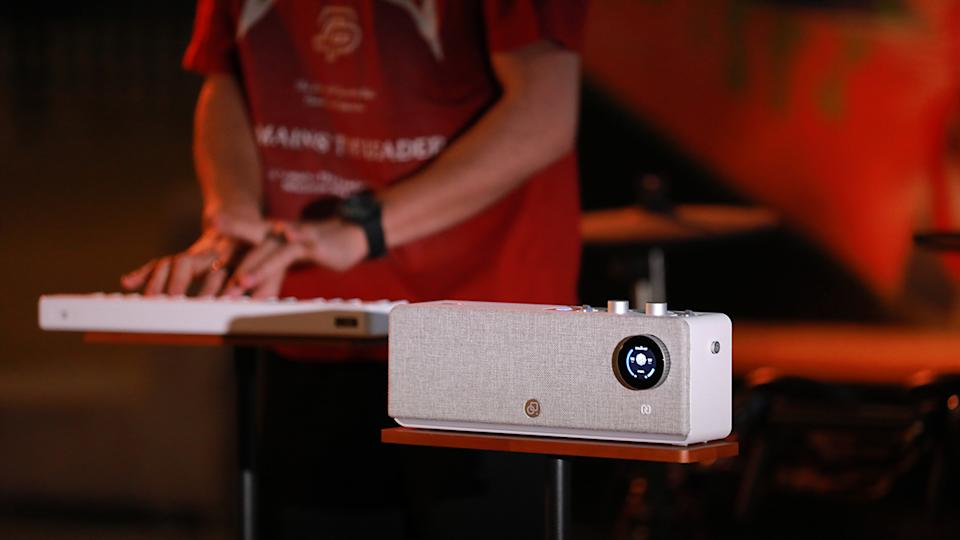
PartyStudio pioneered this approach as the world's first wireless MIDI-enabled synthesizer speaker. Rather than just amplifying sound, it functions as a complete music creation hub. With an embedded sound chip containing 128 professionally-tuned instrument tones, an integrated drum machine with over 50 rhythm patterns, and genuine wireless connectivity with under 16ms latency, it eliminates every pain point of traditional setups.
The difference is transformative. Where you once needed a keyboard, computer, interface, and speakers, now you need just two things: your MIDI keyboard and one powerful speaker that handles everything else.

Not all MIDI speakers are created equal. When evaluating options, several critical features separate professional-grade equipment from basic alternatives.
Direct MIDI Compatibility stands at the top of the list. The best MIDI speakers connect directly to any MIDI keyboard without requiring computers or software intermediaries. Both wired and wireless connections should work seamlessly, giving you flexibility based on your situation.
Low Latency Performance matters immensely. When you press a key, you need to hear the sound instantly. Delays of even 30-50 milliseconds feel unnatural and interfere with playing. Professional MIDI speakers maintain latency under 20ms, preserving the responsive feel of acoustic instruments.
Embedded Sound Chips provide the actual instrument voices. Premium speakers include professionally-tuned sound libraries with dozens or even hundreds of instrument options. This built-in synthesis means you're not dependent on external software or limited to whatever sounds your keyboard can produce.
Multi-Device Connectivity expands creative possibilities. Advanced MIDI speakers can connect to multiple keyboards simultaneously, with each keyboard assigned to different instrument sounds. This enables one-person band performances or collaborative jamming sessions.
Integrated Rhythm Sections add musical context. Built-in drum machines with adjustable BPM, multiple rhythm patterns, and customizable beat templates let you practice with accompaniment or create complete songs without additional equipment.
Professional Audio Quality ensures your music sounds as good as it should. Look for specifications including total power output of at least 50-70W, multiple speaker drivers covering different frequency ranges, and passive radiators for enhanced bass response.
Wireless Range and Battery Life determine true portability. The best wireless MIDI speakers maintain stable connections up to 10 meters, letting you move freely while playing. Built-in batteries should provide at least 6-8 hours of continuous use, with fast charging capabilities.
Certain situations make a dedicated MIDI speaker not just helpful but essential for your musical workflow.
Portable Practice and Performance tops the list. If you want to practice in different locations, perform at various venues, or simply play music anywhere beyond a fixed studio setup, a wireless MIDI speaker provides freedom that computer-based systems cannot match. You can set up and start playing in under a minute, anywhere.
Beginner Learning Environments benefit enormously from simplified setups. New musicians should focus on learning music, not troubleshooting audio drivers and software compatibility. A direct keyboard-to-speaker connection removes technical barriers, letting beginners concentrate on developing their skills.
Multi-Keyboard Setups require specialized routing that traditional speakers cannot provide. If you want to play multiple keyboards simultaneously with different sounds, a MIDI speaker with multi-device connectivity is the only practical solution.
Collaborative Music Making becomes infinitely easier when everyone can connect their instruments wirelessly to one central hub. Whether jamming with friends, teaching students, or performing with a band, a MIDI speaker that accepts multiple inputs creates seamless group experiences.
Creative Experimentation thrives when switching sounds takes seconds instead of minutes. Musicians exploring different genres, learning music production, or composing original pieces need quick access to varied instrument tones. Embedded sound chips with hundreds of options enable this creativity without menu-diving through software.
Space-Constrained Studios often cannot accommodate full computer setups, multiple cables, and traditional studio monitors. A single MIDI speaker that handles synthesis, amplification, and connectivity saves valuable desk or table space while maintaining professional audio quality.
Despite their advantages, MIDI speakers aren't necessary for every musician or situation.
The most sophisticated MIDI speakers don't exist in isolation. They're part of integrated music creation ecosystems that include complementary instruments and accessories designed to work together seamlessly.
PartyKeys represents this ecosystem thinking. As an illuminated wireless MIDI keyboard, it connects to the PartyStudio speaker via simple NFC touch-pairing. The 36-key layout provides genuine portability without sacrificing playability, and multiple PartyKeys units can connect together, creating a 108-key setup that exceeds traditional piano ranges.
The inclusion of PartyDrum wireless MIDI drumsticks further expands creative possibilities. These innovative controllers let you trigger complex rhythms by striking any surface, adding percussion to your keyboard performances without requiring traditional drum hardware.
This ecosystem approach means you're not just buying individual products but investing in a complete music creation system where every component enhances the others. The keyboard illuminates to teach you songs, the speaker provides the sounds and rhythms, and the drumsticks add percussive elements, all connecting wirelessly through a single hub.

When evaluating MIDI speakers, certain technical details directly impact your experience.
The MIDI speaker category continues evolving rapidly as manufacturers discover new possibilities. Software updates delivered over-the-air (OTA) via Wi-Fi mean your speaker can gain new instrument sounds, improved algorithms, and additional features long after purchase.
Integration with smart home systems and voice assistants may soon allow verbal commands to change settings or select songs. Cloud connectivity could enable collaboration between musicians in different locations, with each person's keyboard controlling sounds on a shared speaker system.
Visual feedback systems already add light strips that pulse with rhythm, but future versions might project musical notation, show harmonic relationships, or create full visualizations synchronized with your playing. These visual elements would be especially valuable for learning and performance contexts.
The convergence of MIDI speakers with music education apps represents another frontier. Imagine your speaker recognizing what you play, providing real-time feedback on timing and accuracy, and guiding you through progressively challenging lessons, all without requiring computer screens or external devices.
Ask yourself these questions to determine if a MIDI speaker suits your needs:
Do you want to practice or perform in multiple locations without hauling computer equipment? Are you frustrated with complicated audio setups that require technical troubleshooting? Do you want instant access to hundreds of instrument sounds without menu-diving through software? Would you like to connect multiple keyboards and create layered performances? Do space limitations prevent you from maintaining a full studio setup?
If you answered yes to several of these questions, a wireless MIDI speaker dramatically improves your music-making experience. The combination of portability, simplicity, and professional audio quality addresses pain points that have plagued electronic musicians for decades.
For musicians ready to break free from cables, computers, and complicated setups, the wireless MIDI speaker represents more than just another piece of equipment. It's a fundamental rethinking of how electronic music should work, designed around the needs of modern musicians who want to create anywhere, anytime, without compromise.
No, regular Bluetooth speakers cannot process MIDI data. They only play pre-recorded audio files. MIDI keyboards send digital note information that requires a sound chip to convert into actual audio. Standard Bluetooth speakers lack this capability and will not produce sound when connected to MIDI keyboards.
Studio monitors are passive or active speakers designed for accurate audio reproduction in recording environments. They require audio interfaces and computers to work with MIDI keyboards. MIDI speakers include built-in sound chips that generate instrument sounds directly from MIDI signals, eliminating the need for computers or interfaces.
Extremely important. Latency is the delay between pressing a key and hearing the sound. Delays above 20-30ms feel unnatural and interfere with playing technique. Professional MIDI speakers maintain latency under 16ms, which feels instantaneous to performers. Higher latency makes timing difficult and reduces musical expression.
Yes, if the MIDI speaker supports multi-device connectivity. Advanced models like PartyStudio can connect up to four MIDI devices simultaneously, with each keyboard assigned different instrument tones. This enables band-style performances or collaborative learning sessions where everyone plays together through one speaker system.
Yes, MIDI is a universal protocol standardized across the music industry. Any device that sends MIDI data can connect to any MIDI speaker, regardless of manufacturer. This compatibility extends to both wired MIDI connections and wireless BLE MIDI connections.
Modern wireless MIDI speakers with low latency (under 16ms) and high power output (70W+) are suitable for small to medium performance venues. They may not provide sufficient volume for large concert halls, but they work excellently for coffee shops, small clubs, outdoor events, and intimate concert settings.
Quality portable MIDI speakers typically provide 6-8 hours of continuous use on a full charge. Battery life depends on volume levels and feature usage. Speakers with 5000mAh batteries and fast PD charging can fully recharge in approximately 3 hours and usually function normally while charging.
Read more

Christmas Light‑Up Keyboard Deals 2025: Save on Smart Learning
Looking for light up keyboard Christmas deals that actually help someone learn music—without blowing the holiday budget? You’re in the right place. This gift-centered guide focuses on music keyboar...
2.4 GHz vs Bluetooth for Keyboards: Which Is Really Low-Latency?
When you press a key on a wireless keyboard, how fast should you hear the sound? For typing emails, a few milliseconds of delay barely matters. But for playing music, even tiny delays can ruin your...